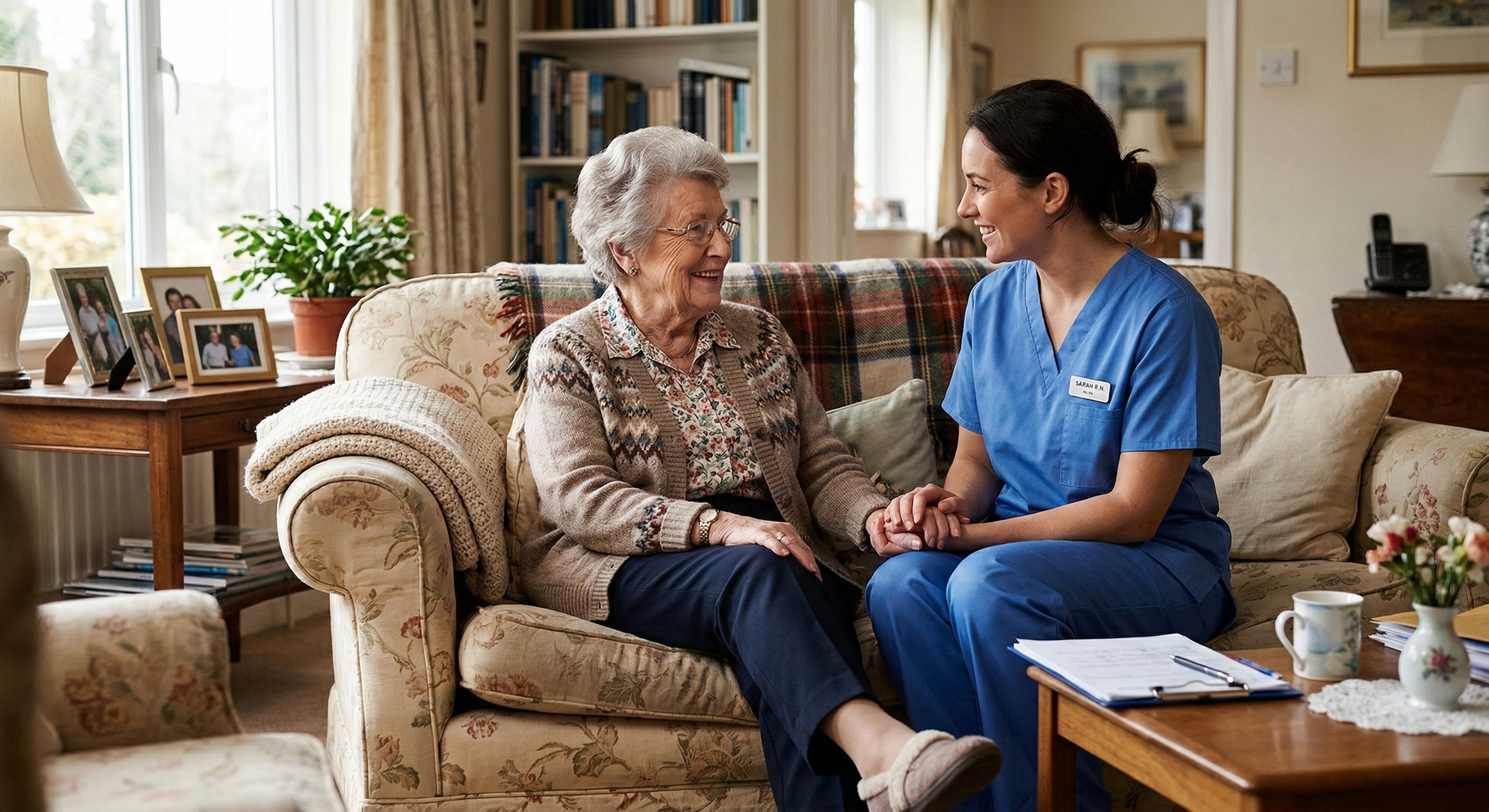


When a loved one is diagnosed with dementia, one of the first and most emotional questions families ask is simple: how long can they safely remain at home?
The truth is, there’s no fixed timeline. Every situation is different. But with the right support system in place, many individuals can stay in the comfort of their own home far longer than most people expect. That’s where trusted providers like Premier Home Care play an essential role, helping families navigate both the emotional and practical sides of care.

Understanding the Condition First
Before answering the question, it helps to understand what dementia actually is.
The distinction between Alzheimer’s Disease versus Dementia is important. Dementia is a broad term used to describe symptoms that affect memory, thinking, and behavior. Alzheimer’s disease is the most common type, but not the only one. Others, like vascular dementia or Lewy body dementia, can follow different paths and timelines.
This matters because the type and progression of dementia directly affect how long someone can safely remain at home.
What Determines How Long Someone Can Stay at Home?
There are several key factors that influence how long home living is possible:
- Stage of the condition: Early stages may require minimal support, while later stages involve more hands-on care.
- Physical health: Mobility, strength, and other medical conditions all play a role.
- Home environment: A safe, familiar, and well-adapted home can extend independence.
- Support system: Family involvement and professional care are critical.
With the right mix of support, many families find that staying at home remains a viable option much longer than they initially thought.
Recognizing When More Support Is Needed
Dementia is progressive, which means needs will change over time. Some signs that additional help is needed include:
- Increased confusion or disorientation
- Wandering or safety concerns
- Difficulty managing daily routines
- Caregiver stress or burnout
These moments don’t necessarily mean it’s time to leave home. More often, they signal that it’s time to explore additional care solutions.
Exploring Your Care Options
Families often assume the only next step is moving into a facility, but that’s not always the case. There are many Options for Dementia Care that allow individuals to remain at home while receiving the support they need.
These can include:
- Part-time assistance
- Respite care for family members
- Day programs
- Full-time in-home care
The goal is to build a care plan that evolves as the condition progresses, while maintaining comfort and dignity.
The Role of In-Home Support
One of the most effective ways to extend time at home is through Professional At Home Care for Dementia.
Care professionals can help with daily activities, medication reminders, companionship, and safety monitoring. Just as importantly, they bring experience and understanding, which can make a significant difference in both quality of care and peace of mind.
Premier Home Care works closely with families to create personalized care plans that adapt over time. Their approach focuses not just on physical needs, but on emotional well-being, ensuring individuals feel safe, respected, and supported in their own space.
With consistent, professional support, many individuals are able to remain at home longer, with greater comfort and stability.
So, How Long Is Possible?
For some, it may be a few years. For others, much longer. The real answer depends on how well care evolves alongside the condition.
Staying at home isn’t just about independence, it’s about familiarity, dignity, and quality of life. With the right planning and support, it can remain a safe and meaningful option for as long as possible. That’s why families continue to turn to Premier Home Care for guidance and dependable care throughout the journey.
FAQ
Can someone with dementia live at home alone?
In the early stages, it’s sometimes possible with periodic check-ins. Over time, regular supervision becomes necessary.
When should someone with dementia stop living at home?
When safety risks can no longer be managed or care needs exceed what can be provided at home.
How can I make a home safer for someone with dementia?
Simple changes like removing hazards, improving lighting, and adding monitoring systems can help.
Is in-home care better than a facility?
It depends on the situation. In-home care allows for familiarity, while facilities provide more intensive, round-the-clock care.
How do I choose the right care option?
Start by assessing current needs and exploring available Options for Dementia Care with professionals.
Ready to Support Your Loved One at Home?
If you’re navigating dementia care and want to keep your loved one in the comfort of their home for as long as possible, Premier Home Care is here to help. Their experienced team understands the challenges families face and provides compassionate, reliable support every step of the way.
Reach out to Premier Home Care today to explore your options and create a care plan that works for your family.