
More than 120,000 people in Canada are living with Parkinson’s disease today, and that number keeps climbing as the population ages. For most families, the diagnosis itself is not the hardest part. It is the years afterward, figuring out day by day what kind of support actually helps, and when to bring in more of it. Here is a practical look at what Parkinson’s changes at home, and what Montreal families should know as they plan for it.
What Parkinson’s Disease Is: A Foundation for Understanding Care Needs
Parkinson’s is a progressive neurological condition caused by the loss of dopamine-producing cells in the brain. Dopamine helps regulate movement, so as those cells decline, the classic motor symptoms appear: tremor, muscle rigidity, slowness of movement, and problems with balance and posture.
What surprises a lot of families is how much of Parkinson’s is not about movement at all. Sleep disturbances, constipation, fatigue, cognitive changes, and mood symptoms are all common, and they often show up years before or alongside the motor symptoms most people associate with the disease. Understanding this dual nature, motor and non-motor, is the foundation for planning care that addresses what a senior is experiencing, not just what is visible from across the room.
The Specific Home Care Needs Parkinson’s Creates
Parkinson’s care at home looks different from general senior support in a few key ways. Medication timing becomes critical, since Parkinson’s medications like levodopa work on a narrow window and being even thirty minutes late can mean hours of stiffness or reduced mobility later in the day. A caregiver who understands this is not just reminding someone to take a pill. They are protecting the rhythm that keeps symptoms manageable.
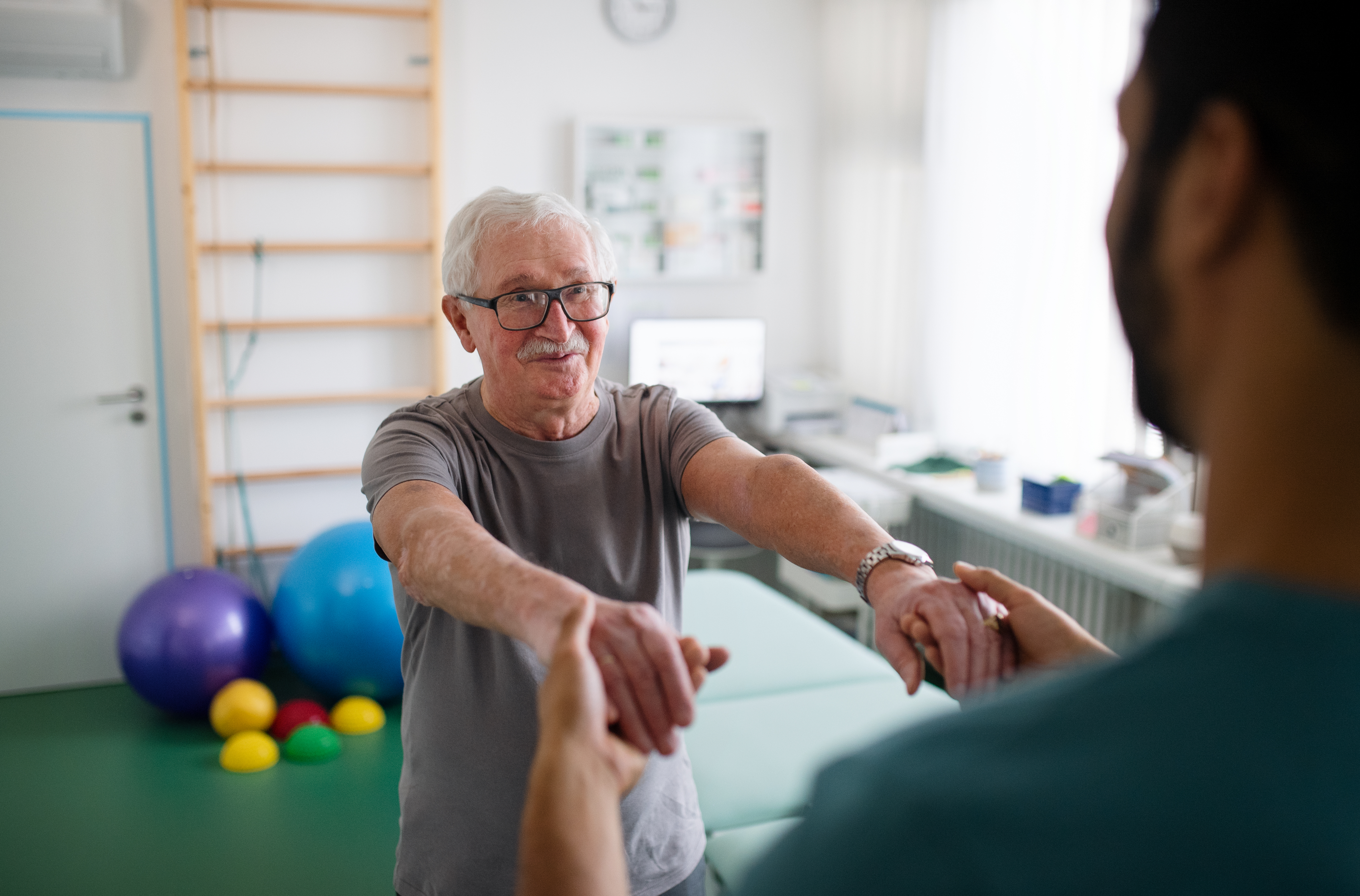
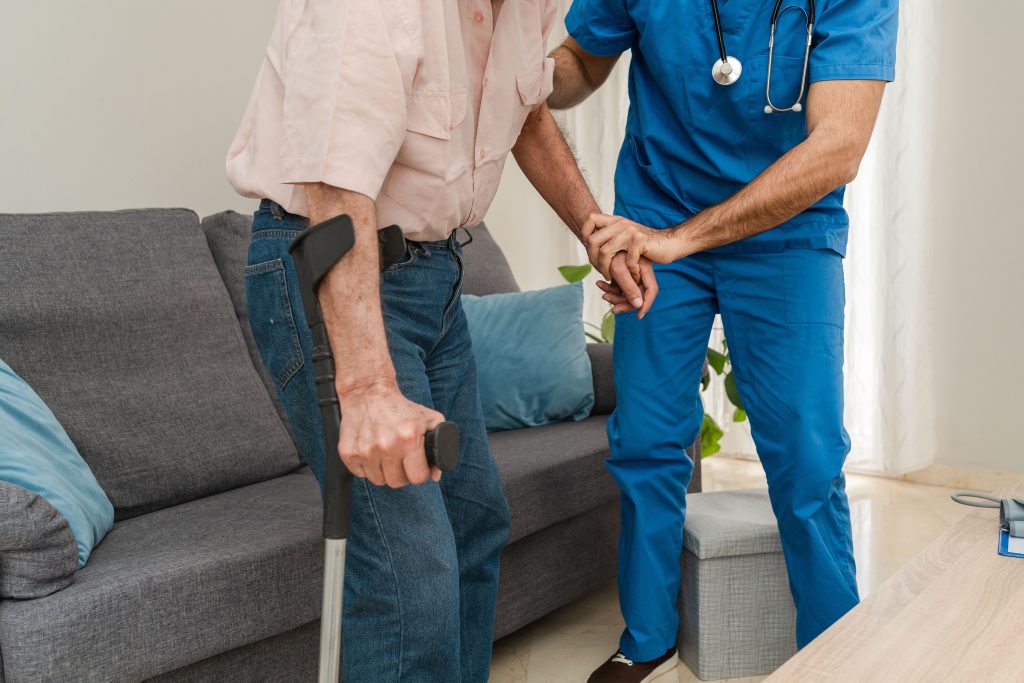
Mobility assistance needs to account for rigidity and slowness that can change from morning to evening, sometimes hour to hour, depending on where a senior is in their medication cycle. Personal care tasks that seem simple, buttoning a shirt, cutting food, writing a signature, can take significantly longer and require patience rather than taking over the task entirely, since maintaining independence in small tasks matters for both dignity and continued function.
Understanding Freezing Episodes: What Families and Caregivers Need to Know
Freezing of gait is one of the more disorienting symptoms for families who have not encountered it before. A senior mid-stride, often approaching a doorway, a turn, or a crowded space, suddenly finds their feet feel stuck to the floor even though they are actively trying to move. It is not hesitation or stubbornness. It is a temporary disconnect between the brain’s movement signals and the legs.
Certain environments trigger it more than others: narrow doorways, tight turns, and busy or visually cluttered spaces are common culprits. Caregivers trained in Parkinson’s care use cueing techniques to help break a freeze, counting aloud, asking the person to step over an imaginary line, or having them shift their weight side to side before stepping forward. Rushing or pulling on someone during a freeze usually makes it worse and increases fall risk, so knowing these techniques ahead of time matters.
Nutrition, Swallowing, and Mealtimes
Swallowing difficulty, known as dysphagia, becomes more common as Parkinson’s progresses, and it raises real risks around choking and aspiration if it goes unaddressed. Caregivers should watch for coughing during meals, a wet or gurgly voice after swallowing, or a senior avoiding certain foods they used to enjoy, since these are early signs worth flagging to a doctor or speech-language pathologist.
Timing matters here too. Protein can interfere with how effectively levodopa gets absorbed, so some seniors do better have their main protein-rich meal later in the day or coordinated around their medication schedule, something a doctor or dietitian can help structure properly. Mealtimes often need to slow down generally, both for safety and because eating can simply take longer with reduced motor control.
Communication and Speech Changes
Parkinson’s frequently affects the voice before families notice changes in movement. Speech can become softer, known as hypophonia, monotone, or harder to project, which sometimes gets mistaken for disinterest or hearing loss rather than a symptom of the disease itself. Reduced facial muscle movement, sometimes called facial masking, can also make it harder to read a senior’s emotional state from their expression alone, even when they are feeling perfectly engaged in a conversation.
Patience matters enormously here. Finishing sentences, speaking loudly and slowly to compensate, or assuming disengagement based on a flat expression can all unintentionally isolate someone who is fully present but struggling to project it outwardly. Speech-language therapy can help substantially with projection and clarity when started early.
Depression, Anxiety, and the Emotional Dimension of Parkinson’s
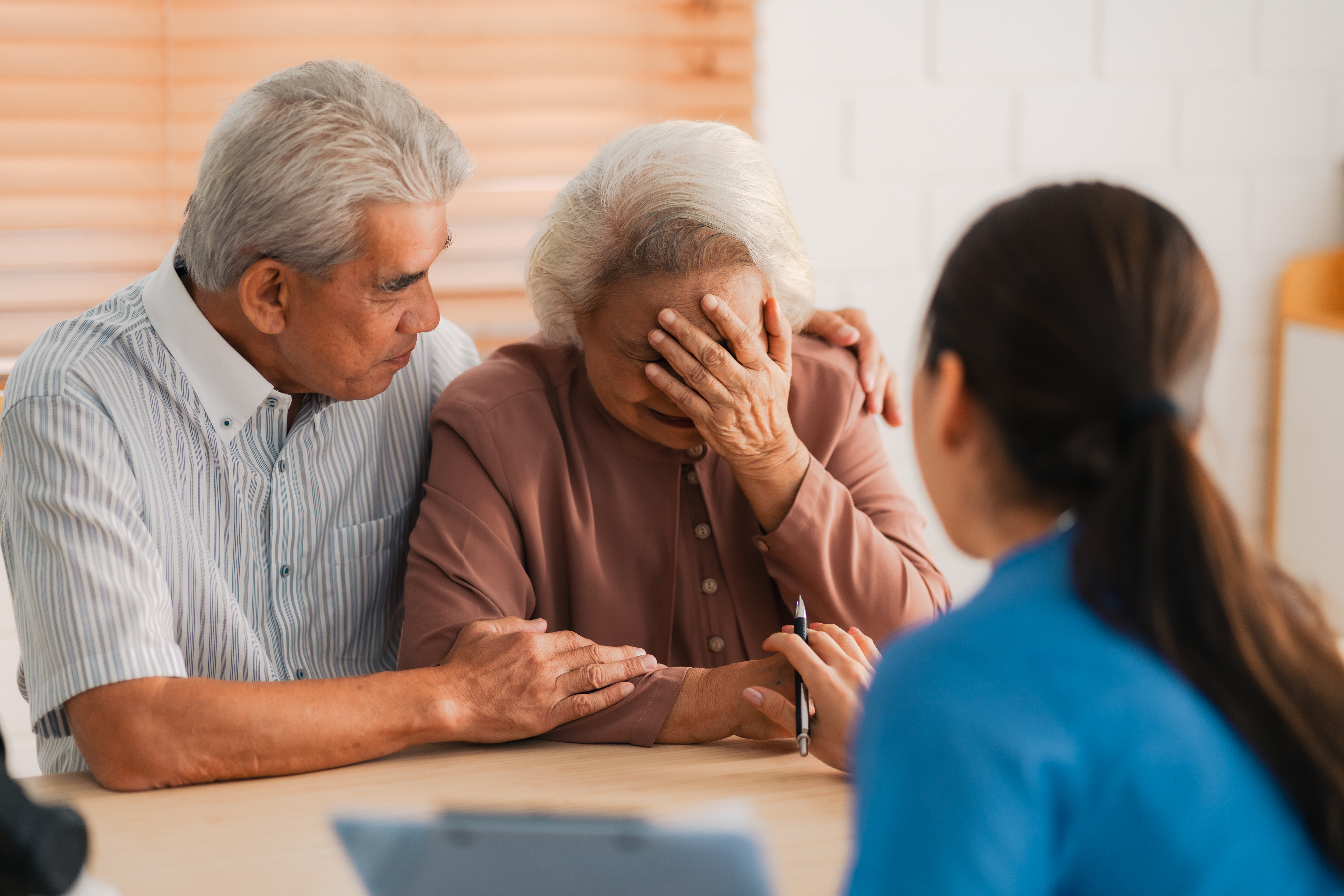
Depression and anxiety in Parkinson’s are not simply emotional reactions to a difficult diagnosis, though that’s part of it. They are also driven by the same neurochemical changes that affect movement, which means they can appear even in seniors who are otherwise coping well and receiving strong support. This distinction matters because it means these symptoms deserve the same clinical attention as tremor or rigidity, not just reassurance and encouragement.
Caregivers who spend regular time with a senior are often the first to notice withdrawal, loss of interest in things they used to enjoy, or increased anxiety around specific situations like leaving the house. Flagging these changes to the senior’s care team early opens the door to treatment options that can meaningfully improve quality of life.
Home Safety for Parkinson’s: What Needs to Change
A home that was perfectly safe for years can become genuinely risky once Parkinson’s affects balance and gait. Loose rugs, cluttered walkways, and low lighting all become higher stakes hazards. Wide, clear paths between rooms matter more than they used to, and doorway thresholds that were never a problem before can become tripping points.
Bathrooms deserve particular attention: grab bars near the toilet and shower, a raised toilet seat, and a shower chair all reduce fall risk during some of the highest risk transfers a senior makes each day. Good, even lighting throughout the home helps reduce the visual triggers that can bring on freezing episodes, and stairs may eventually need railings on both sides rather than one.
When Home Care Needs Exceed What Family Can Provide
Most families start out managing Parkinson’s care themselves, and for a while, which works. The shift usually comes gradually: medication schedules become harder to maintain around work and other responsibilities, falls start happening more often, or the family caregiver’s own health and stress levels start to suffer under the weight of round-the-clock vigilance.
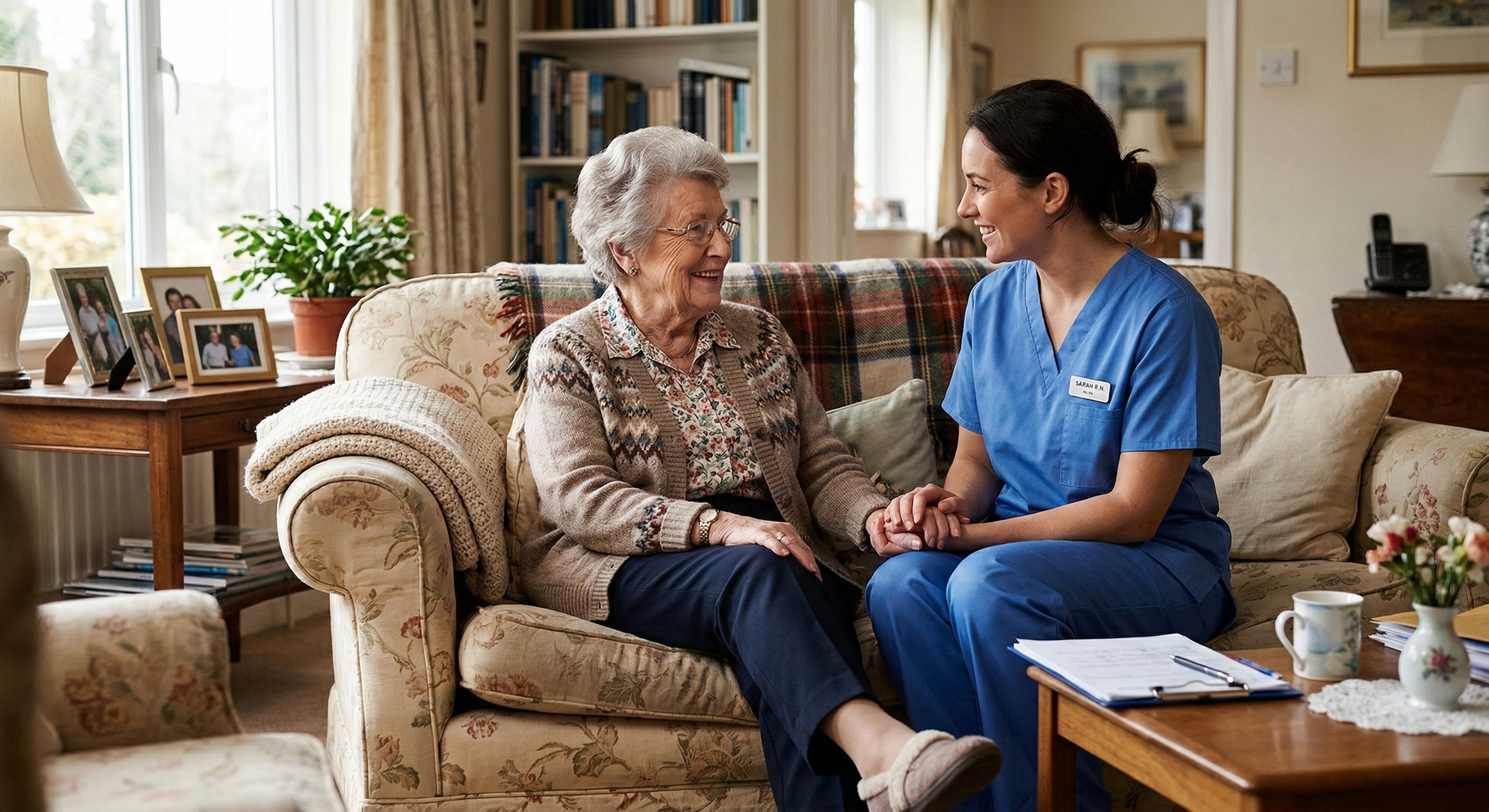
Bringing in professional home care does not mean stepping back from a loved one’s care. It means adding trained support for the specific, demanding tasks that Parkinson’s requires, medication timing, mobility assistance, freezing episode management, so family members can spend their time and energy on connection rather than logistics. Respite care in particular gives family caregivers the space to recover, which research consistently shows improves outcomes for everyone involved, including the senior receiving care.
Conclusion
Parkinson’s changes over time, and so will the kind of support a senior needs at home. Understanding the disease’s full range, motor, and non-motor, physical and emotional, gives families a real foundation for planning rather than reacting. If you’re noticing that home care needs are starting to outpace what your family can manage day to day, that’s a normal point to reach, not a failure, and it’s worth having a conversation with a home care provider who understands Parkinson’s specifically before a crisis forces the decision.
Feel free to reach out to Premier Home Care at 514-781-6553 or info@premierhomecare.ca. It will be our pleasure to help.